How to Make Creamy Vegan Rice Pudding with Coconut Milk
Rice pudding has a narrow window between luxurious and gluey, and most of the work happens in the last ten minutes of cooking. Take away the dairy and that window gets narrower still, because coconut milk behaves nothing like cow's milk: it is richer, it separates under hard heat, and it carries a flavor of its own that either helps or fights everything else in the pot.
Handled properly, though, coconut milk makes a vegan rice pudding that needs no apologies — thick, faintly tropical, and silky enough to eat cold from the fridge the next morning. What follows is the version worth keeping: one pot, a bare simmer, and a handful of decisions that matter more than the recipe itself.
Why Coconut Milk Makes a Creamier Pudding
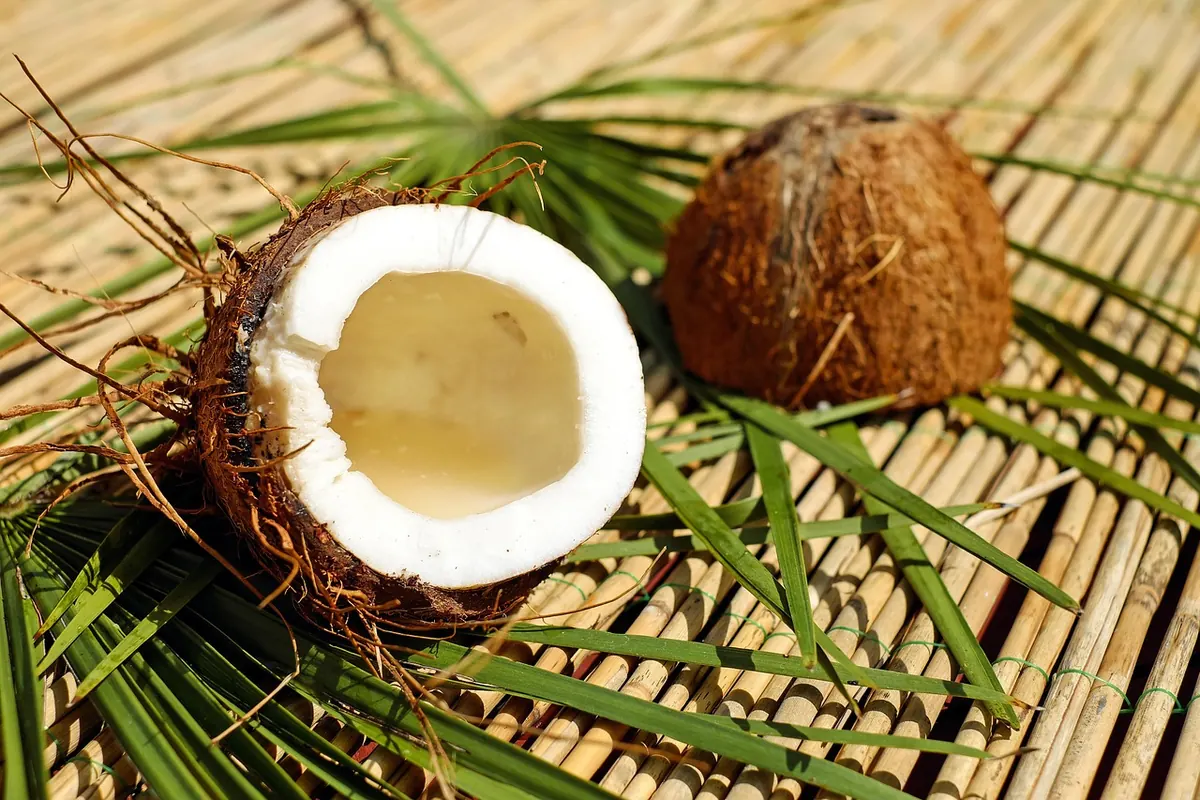
Start with the can. Full-fat canned coconut milk contains enough fat to coat the tongue the way cream does, and that fat is what carries vanilla, cardamom, and citrus through a bowl of sweet rice. Light coconut milk is the same product diluted with water, so it gives you less body and a thinner pudding. Cartons labeled "coconut milk beverage" are thinner still and often sweetened; they work as the liquid you simmer the rice in, but they cannot replace the can.
Two habits keep coconut milk from turning on you. First, shake the can hard before opening. The cream rises and settles, and a pudding made from the top half only will be heavy, while one made from the watery bottom half will be lean. Second, hold the pot at a bare simmer. Coconut milk splits when it boils hard, and while a split pudding can often be rescued with a whisk, it is easier not to break it. A splash of coconut milk or coconut cream stirred in off the heat restores a fresh, glossy finish.
Choose the Right Rice
Short- and medium-grain rice is the right choice. Arborio, sushi rice, and rice sold as pudding rice all release surface starch as they cook, and that starch is what thickens the liquid into something creamy rather than watery. Long-grain varieties, basmati especially, stay separate and firm, which gives you a looser, more brothy pudding. That is not a fault, just a different dessert. Jasmine rice sits pleasantly in the middle.
Do not rinse the rice, or rinse it only briefly. The dust you wash away is the starch you need. And if you already have cooked rice in the fridge, use it: about three cups of cooked rice, one can of coconut milk, and a quarter cup of plant milk will give you pudding in twenty minutes instead of forty-five. The texture is slightly less creamy, so save the from-scratch method for when it counts.
Ingredients That Actually Matter
The recipe is short enough that every ingredient has a job. Taste as you go, because a swap changes more than the shopping list.
- 1 cup short-grain rice — Arborio, sushi rice, or pudding rice. Not instant rice, which collapses.
- 1 can (about 14 oz) full-fat coconut milk — shaken well before opening.
- 2 to 2½ cups unsweetened plant milk — oat and soy are the creamiest. Water works if you add a second can of coconut milk.
- 3 to 5 tablespoons sweetener — maple syrup, coconut sugar, or finely chopped dates. Add it late, since sugar encourages sticking and scorching.
- ¼ teaspoon fine salt — skip it and the pudding tastes flat no matter how much vanilla you pour in.
- 1 teaspoon vanilla extract — stirred in off the heat so the aroma survives.
- Optional aromatics — a cinnamon stick, three cracked cardamom pods, or a strip of orange zest, simmered with the rice and fished out at the end.
Step by Step: Gentle Simmering
- Combine everything but the sweetener and vanilla. Rice, coconut milk, plant milk, salt, and any whole spices go into a heavy saucepan. Stir once.
- Bring it to a bare simmer over medium-low heat. You want small bubbles at the edges, not a rolling boil. This takes longer than you expect, and rushing it is the most common mistake.
- Simmer uncovered for 35 to 45 minutes. Stir every five minutes at first, then every two or three as the mixture thickens, scraping the bottom of the pan each time. Rice settles and sticks, and the spoon is the only thing standing between you and a scorched layer.
- Sweeten in the last ten minutes. Add three tablespoons, taste, and add more if you want it. The pudding tastes less sweet once cold, so err slightly sweet if you plan to chill it.
- Stop when it looks too loose. The rice should be fully tender and the liquid should have the consistency of loose porridge that slowly fills the gap behind your spoon.
- Finish off the heat. Stir in the vanilla and a splash of coconut milk or coconut cream to loosen. Cover and let it sit ten minutes before serving; the last of the liquid absorbs and the texture evens out.
Pull the pudding off the heat while it still looks a little wetter than you want. It keeps thickening in the bowl, and a pudding that looks perfect in the pot usually turns stiff by dessert.
Fixing Texture Problems
Most problems with vegan rice pudding are texture problems, and nearly all of them are fixable.
- Too thick or stiff: whisk in warm plant milk or coconut milk, a couple of tablespoons at a time. Reheating gently is fine; boiling is not.
- Too thin after 45 minutes: keep simmering uncovered and stirring. If it is still loose, whisk a teaspoon of cornstarch into a tablespoon of cold water, stir it in, and simmer two minutes.
- Crunchy or uneven rice: the rice simply is not done. Add a splash more liquid, cover, and cook another ten minutes.
- Greasy or separated: the pot got too hot. Take it off the heat and whisk hard for thirty seconds. If it still looks slick, blend a cup of the pudding until smooth and stir it back in.
- Bland: a pinch more salt, a squeeze of lime or orange, or another half teaspoon of vanilla. Sweetness alone rarely fixes a flat pudding.
Variations to Try Once the Base Works
- Cardamom and rose: crack four green cardamom pods into the pot, then finish with a teaspoon of rose water and chopped pistachios.
- Mango and coconut: fold in diced mango or a spoonful of mango puree just before serving, so the fruit stays bright.
- Chocolate: whisk two tablespoons of cocoa powder into the plant milk before it hits the pan, and add an extra tablespoon of maple syrup.
- Toasted and crunchy: top with toasted coconut flakes, toasted almonds, or crushed gingersnaps. Texture on top makes the creamy base taste creamier.
Photo: Couleur / Pixabay

You Might Also Like
How Southern banana pudding comes together: cooked custard, vanilla wafers, ripe bananas, and the meringue-or-whipped-cream choice, with layering and chilling tips that work.
A practical Christmas pudding timeline from Stir-Up Sunday to the holiday table, covering mixing, aging, feeding, steaming, reheating, and serving.