Rice Pudding vs. Tapioca Pudding: Texture, Ingredients, and Serving Guide
Set a bowl of rice pudding next to a bowl of tapioca pudding and they look like cousins: pale, creamy, faintly speckled. Spoon into them and the resemblance ends. One is a suspension of softened grains in thickened milk. The other is a soft gel built from starch pearls that have swelled and turned glassy. Knowing which one you're making changes how you cook it, how sweet it tastes, and whether it's better hot or cold. Here's the whole picture, side by side.
Rice Pudding: Softened Grains, Creamy Body
Rice pudding starts with the rice itself. Short- and medium-grain varieties — Arborio, bomba, sushi rice, Carolina Gold — have the right balance of starches to soften at the edges while keeping a little chew at the center. As they simmer, they shed starch into the milk, and that starch is what thickens the pot. Long-grain rice like basmati or jasmine gives you distinct grains floating in sweet milk, which is fine if that's what you're after, but it won't be pudding.
The stovetop method is straightforward: combine rice, milk, a pinch of salt, and a split vanilla bean or cinnamon stick, then simmer gently for 35 to 45 minutes, stirring often so nothing catches on the bottom. Sugar goes in near the end — add it early and the rice takes noticeably longer to soften. For a custardy version, whisk egg yolks with a ladle of the hot milk, return everything to the pot, and cook just until it coats a spoon.
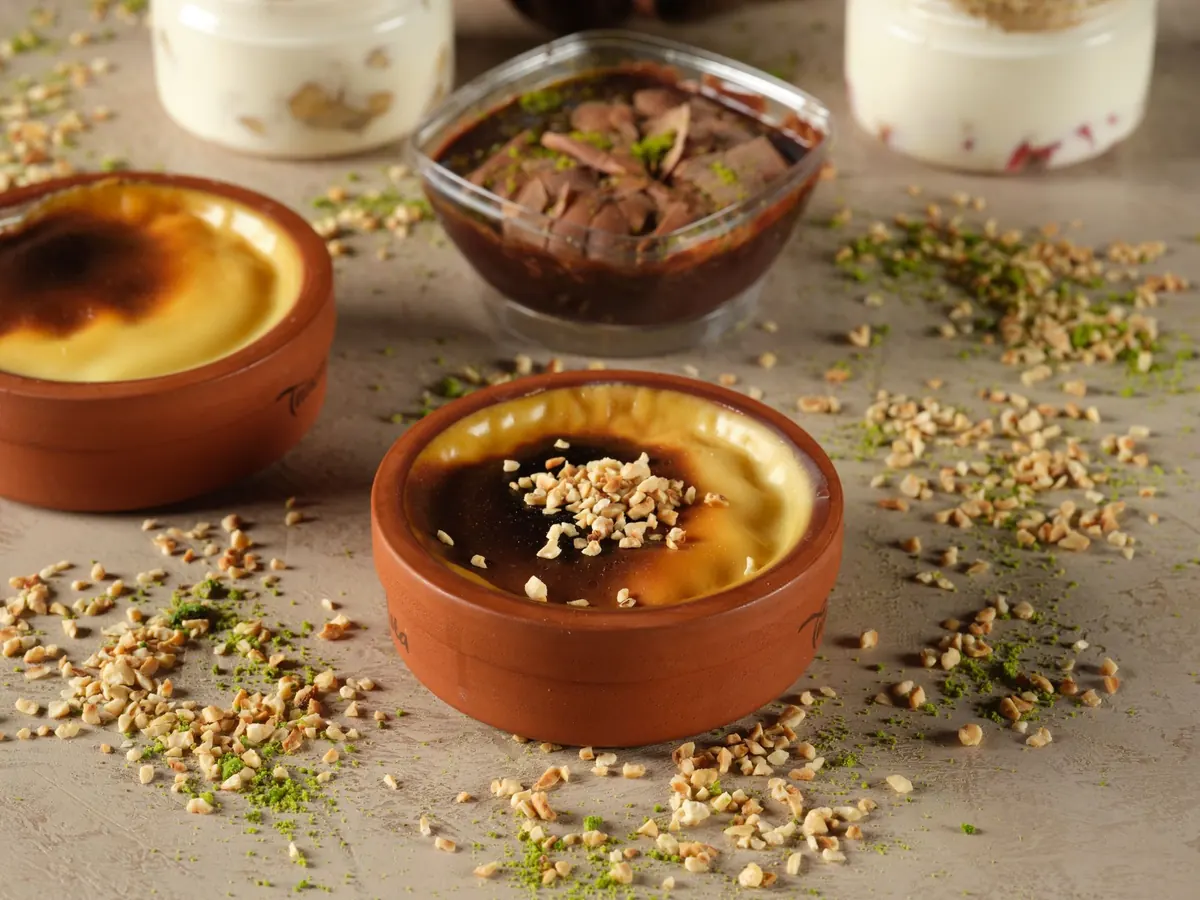
Baked rice pudding takes a different route. Pour the mixture into a buttered dish, set it in a water bath at around 325°F, and decide whether you want it stirred (creamier) or left alone (a browned skin on top, which some people consider the entire point).
Tapioca Pudding: Starch Pearls That Set Into Gel
Tapioca pudding gets its body from cassava starch, sold as small pearls, large pearls, flakes, or "instant" granules. Pearls are the traditional choice, and size matters. Small pearls cook in roughly 15 minutes after a brief soak. Large pearls need an hour of soaking, sometimes overnight, plus 30 to 45 minutes of gentle simmering before they turn fully translucent. Skip the soak and you'll be stirring chalky pebbles for a very long time.
From there, the formula resembles a thin custard: milk, sugar, egg yolks, vanilla. Temper the yolks by whisking a ladle of hot milk into them before they go back into the pot, and keep the heat low. A rolling boil is the enemy here — hard boiling breaks the swollen pearls into paste, and paste is exactly the texture you're trying to avoid. Cook until the pearls are clear with, at most, a faint white speck at the center. Vanilla goes in off the heat.
Texture and Thickening: The Real Divide
- Rice pudding is grainy by design. You get individual grains, softened but intact, suspended in a creamy base. Some grains break down completely, and that's what gives the pot its body. It thickens as it cools, and after a night in the fridge it can firm up enough to be sliced with the side of a spoon.
- Tapioca pudding is a gel. The pearls turn glassy and slightly slippery, and the surrounding liquid sets into a cohesive, elastic mass. Chilled, it's spoonable like a loose panna cotta. Overcooked, it collapses into a uniform, gluey paste with no pearls left to find.
Both rely on dairy, both set firmer when cold, and both loosen again when reheated. The difference is where the thickening comes from. Rice pudding leans on starch leaching plus egg, if you use it. Tapioca's set comes from the starch alone, which is why an eggless tapioca tastes lighter and wobbles more than an eggless rice pudding ever will.
Flavor: Where Each One Shines
Rice pudding is a spice-friendly canvas. Cinnamon, nutmeg, cardamom, a clove or two, orange zest, raisins plumped in rum or strong tea, brown sugar instead of white, a knob of salted butter at the end, coconut milk in place of part of the dairy. It carries warm flavors well because the rice gives you something to chew between spoonfuls.
Tapioca is quieter, so delicate flavors show through more clearly: a real vanilla bean, lemon zest, a swirl of mango or raspberry purée, coconut milk, a spoonful of espresso, matcha whisked into the milk. Chocolate works in tapioca too, though it hides the pearls' glassy look. Whatever you choose, add acidic and aromatic ingredients late — a long simmer flattens lemon and vanilla fast.
Serving Temperature and Consistency
Temperature changes both puddings more than most people expect.
- Warm rice pudding is the loosest version, close to a drinkable porridge. This is when a drizzle of cold cream on top earns its keep.
- Chilled rice pudding is firm, dense, and sliceable. Loosen it with warm milk a tablespoon at a time, stirring, until it's creamy again.
- Warm tapioca is thin and silky, with the softest pearls. Some people find it too soupy and chill it for that reason alone.
- Chilled tapioca is the classic serve. The gel sets, the pearls stay pleasantly chewy, and it holds for two or three days. Small-pearl versions turn pasty faster than large-pearl ones.
Serve either in small bowls. These are rich puddings, and a modest portion goes further than you'd think. A crisp cookie alongside or a few fresh berries does more for the dessert than a bigger scoop would.
Troubleshooting Both Puddings
Most failures come down to heat and time.
- Scorching: use a heavy-bottomed pan over medium-low heat, stir with a silicone spatula, and scrape the bottom corners where milk likes to sit.
- Curdled eggs: temper the yolks, keep the heat low, and strain the base if it looks grainy before you add them.
- Soupy rice pudding: usually the wrong rice or not enough simmering. Keep cooking uncovered and taste a grain.
- Chalky tapioca: it simply isn't done. Soaking shortens the cook but never replaces it.
- Gluey tapioca: too much heat, or too long in the pot after the pearls turned clear.
- Too thick after chilling: thin with warm milk, never water.
Which One Should You Make?
Choose rice pudding when you want something homey and spice-forward that tastes good warm from the pot and even better the next morning with coffee. Choose tapioca when you want a cooler, silkier dessert built on vanilla and fruit, and when the chewy pop of the pearls is the whole appeal.
If you're new to both, start with a small-pot stovetop rice pudding and a small-pearl tapioca. They're forgiving, and they're easy to read as they cook: you can see rice grains soften and pearls turn clear. Make each once and the differences stop being abstract. If you're managing blood sugar, dairy intake, or another dietary restriction, check with a doctor or dietitian about how these fit into your plan.
Photo: Tuan86 / Pixabay
You Might Also Like
How Southern banana pudding comes together: cooked custard, vanilla wafers, ripe bananas, and the meringue-or-whipped-cream choice, with layering and chilling tips that work.
A practical Christmas pudding timeline from Stir-Up Sunday to the holiday table, covering mixing, aging, feeding, steaming, reheating, and serving.